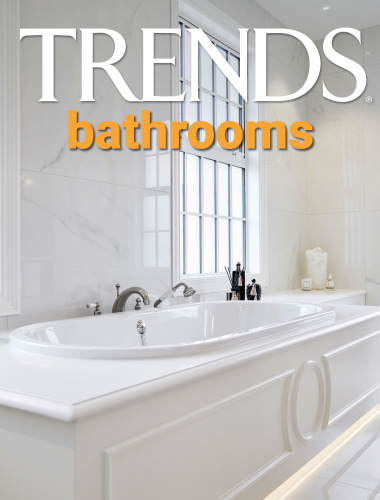
Bathrooms, dressing rooms and powder rooms have grown up
Historically, these spaces were modest and under-considered – however, lifestyles have changed, and now they're coming into their own – designer Jennie Dunlop points the way forward

From Jennie Dunlop, Dunlop Design
Times have changed
In the past, bathrooms, dressing rooms and powder rooms were on the smaller side – functional and fairly under rated within the design concept of the home.
This has radically changed over the past 20 or so years due to busier lifestyles and spending longer in the workforce.
Homeowners now want open and integrated zoned areas to unwind, relax, and enjoy lingering in for longer.
Time-poor young families needing to juggle work and childcare want a more streamlined home life, with user friendly spaces.
And young-at-heart retirees are looking for attractive functional low maintenance design – downsizing doesn't need to feel like downgrading.
Some will decide to buy into new Retirement or Lifestyle Villages where modern facilities and security are catered for.
Others will opt to stay in the community and renovate an existing home or relocate to a more maintenance free option and upgrade the facilities.

Analyse your space!
Bathrooms
To get you started you may find it beneficial to engage a professional to draw a concept plan in order to flesh out your initial ideas.
If your property is part of a Body Corporate, they'll require to view and approve your plans prior to them being submitted to council.
This requirement is to ensure that the building's insurance is not compromised.
Creating a Healthy Home environment has recently become law whether the property is tenanted or lived in by the owner.
The requirement to have a heat pump for warmth and an extraction system for bathrooms and laundries to control dampness will need to be factored into a new build or renovation project.
If budget allows, another option to consider would be ducted air conditioning or an RHV system.
New builds must be double glazed, trapping heat inside or cooling the house when it's hot.
A larger renovation may require either new double glazed windows or retrofitted double glazing to existing windows.
Renovating an existing space can be challenging when faced with relocating existing plumbing waste/ pipes, or where a walk-in level shower is a possibility.
A permitted project will usually have more options on how to redesign the layout to maximise space and create an attractive, functional and warm environment.
Low maintenance has become an important priority.

Tiling floors is a good option – further enhanced when coupled with underfloor heating – with the benefit of creating a dry and cosy atmosphere.
Tiled floors with floor-to-ceiling tiled walls have grown in popularity due to the longer term benefits, including less maintenance.
If budget constraints are a concern, installing an acrylic shower base and wall lining in the shower enclosure and painting the balance of walls is a good option.
An alternative for wet areas is a preformed tray which can be used as is or tiled over – together with partially tiled walls and paint or wallpaper above.

Fully enclosed glazed shower cubicles have been superseded by level walk-in spaces with either a single glazed panel or tiled wall to contain splashing – no door required.
Larger rooms can accommodate an area (partly or fully enclosed) housing a bath and shower, together with a heated towel rail or pole as long as it's IP Rated within the wet area.
A wet area is a lovely space to use with a glass partition or to be fully enclosed with a glass door – adding depth to the room, keeping the water in one area and is visually pleasing.
If wanting to create additional privacy, a centrally tiled wall with shower and toilet hidden behind allows the vanity and freestanding bath to be the heroes of the room.
Depending on the size of the dividing wall, the heated towel rails, bath or vanity could be positioned on the front.
Gone is the notion that the fixtures and fittings need to be positioned around the walls.
Dressing rooms

We've come a long way from the small wardrobes of yesteryear – moving on to larger closet spaces to walk through or walk in wardrobes morphing into the dressing room of today.
The options here abound with ideas depending on the area allowed for within your home.
No longer just somewhere to hang your garments, dressing rooms are now stylish in their own right.
The walk through
This is the most common dressing space as we transverse from bedroom through to bathroom, where everything is on display.
For a cleaner line, opting for sliding or hinged doors to hide your clothing works wonders.
However, the floor space between walls needs to be of a generous width for ease of use.
If the space is too narrow to allow hanging on both sides, one side could have offset funky knobs to hang hats, bags and scarves.
Dressing room
As a separate space, dressing room options are endless as there can be space for hanging and built In drawers, to house clothing, jewellery, bags and shoes.
If the space is generous, an island in the centre can house the latter items.
An alternative could be an ottoman to sit on, adding a practical touch of glamour.
Lighting is also a big feature in dressing rooms today, with specialised LED strips to light clothing and shoes in glass-fronted slide out drawers, on shelves or to light hanging garments.
Powder rooms
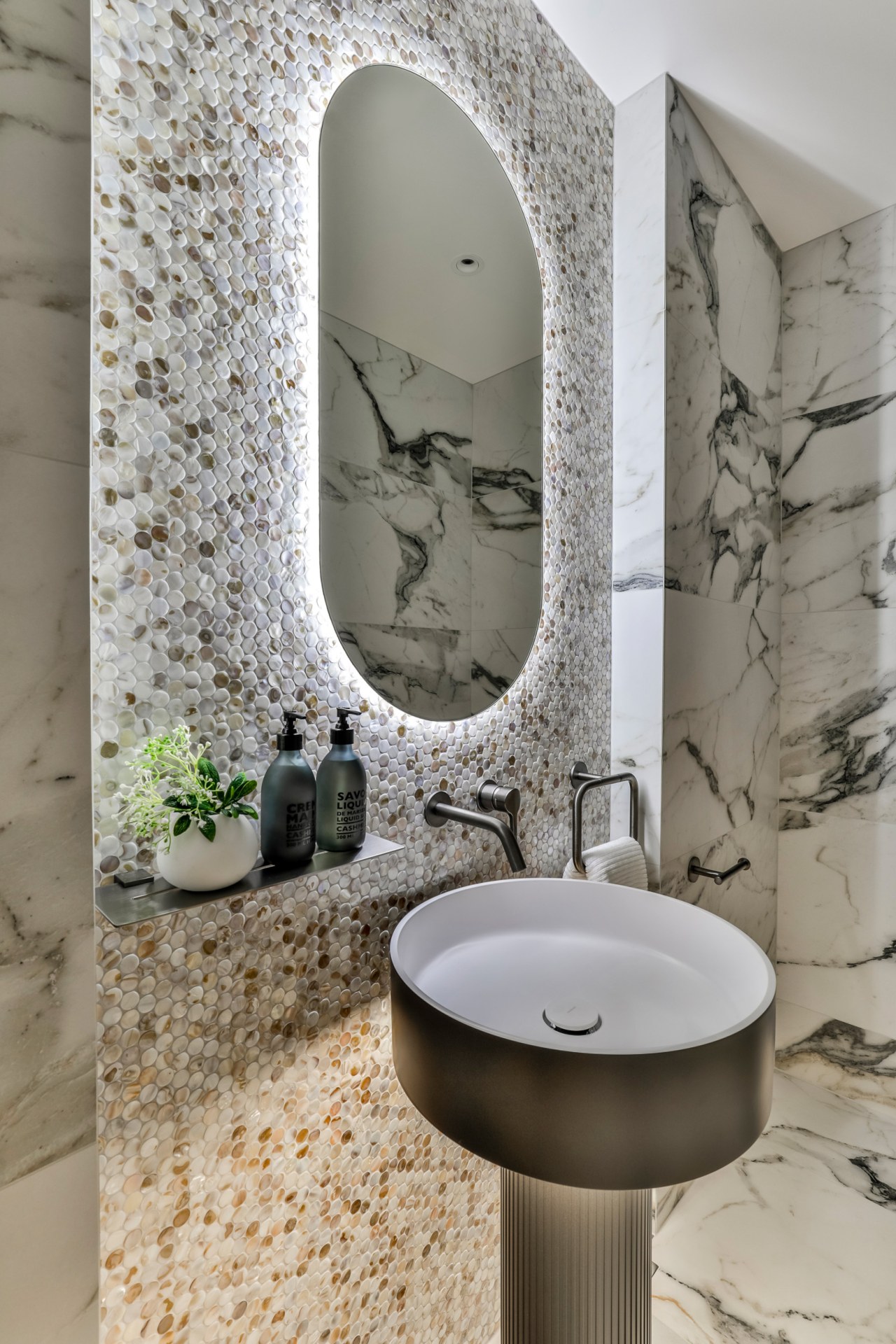
Powder rooms have become de rigueur.
Gone is the tiny guest Toilet with either no handbasin or a small basin which is difficult to use without splashing water on the floor.
These spaces can be fun, glamorous, colourful, light hearted or simply OTT.
Considering the main items in the room are a vanity and toilet, when it comes to the choice of materials for floor, walls, ceiling, lighting and mirror design the possibilities are endless.
Think timber, paint, wallpaper, tiles, glass, metallics, stone, marble, lighting, textured coloured plumbing fixtures and fittings, stylish basins and sound systems.
The possibilities are endless.
About Jennie Dunlop

With decades of experience in the field of spatial design – including outdoor spaces – Jennie Dunlop has established herself as one of the most accomplished and respected professionals in the New Zealand spatial and interior design industry.
Throughout her illustrious career, Jennie Dunlop has accumulated a remarkable list of achievements and has received numerous awards and accolades, including several Trends International Design Awards.
Moreover, her extensive portfolio showcases her expertise in new developments, renovations, and restorations.
Credit list
Designer
Photography
Helpful links
Windows and Doors
Cabinetry Hardware
Spas
Home Builder
Roofing
Heating
Flooring
Taps
Home Design
Story by: Trendsideas

Home kitchen bathroom commercial design