THE HOUSE AS SCULPTURE
The boundaries between art and architecture are blurred in this dramatic Auckland home







What is a big house? Is it just like a small house, only larger? Or is it something totally different?
When architect Pip Cheshire designed this Auckland clifftop home, he rejected many of the conventional theories about big houses.
"The money in a big house is usually not spent on the skeleton of the building, but on applying expensive finishes and fittings in other words, on the final 3mm of the house," he says.
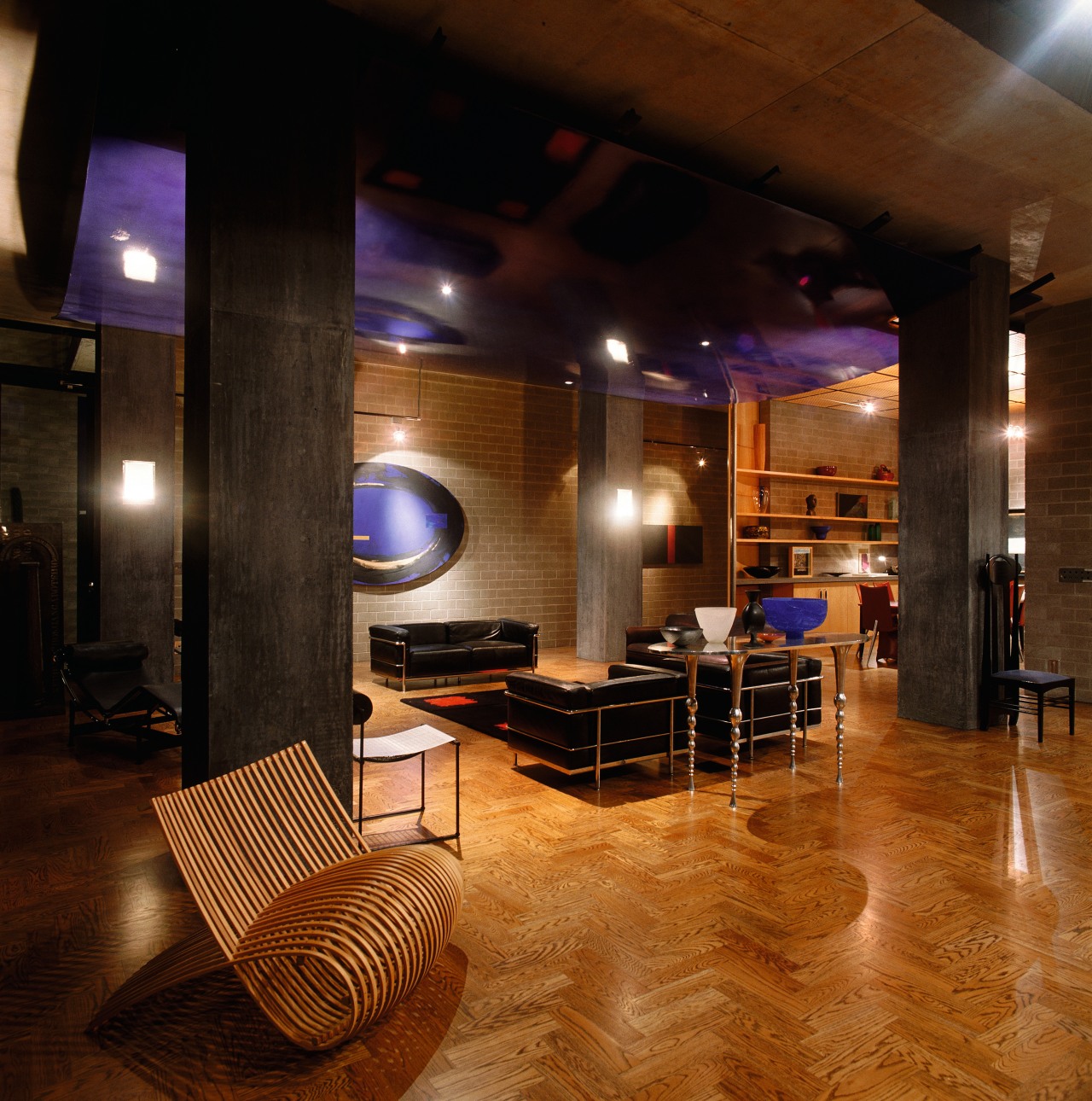
Cheshire wanted to create a house without costly, skin-deep artifice and adornment. Rather than adding to the surface of the structure, he edited, paring the house down to an essential core of permanent materials. The driving force behind the design, says Cheshire, was the owners' wish for a house that was a serious piece of architecture.
The entrance of the house is essentially sculptural. Surmounting it is a concrete prow, which rears up but is rooted to the ground by a stainless steel-clad column.
Cheshire describes the house wall as a carapace, a hard shell that protects the house from the street. It makes a dramatic contrast to the glass on the seafront side of the house.
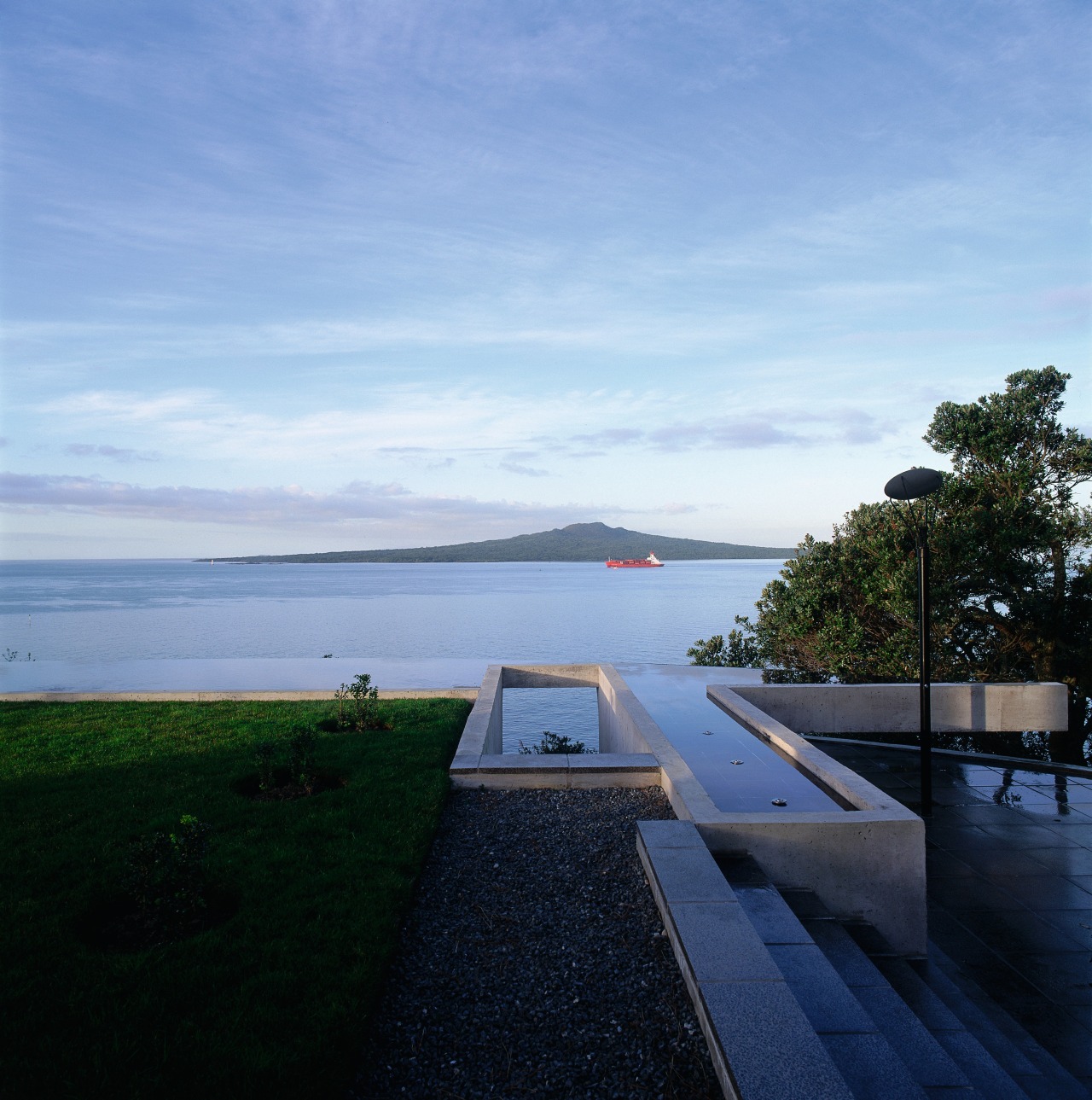
"We present a wall to the street, and then it's relaxed and open to the view of Rangitoto Island," says the architect.
The relationship between Rangitoto Island and the house was a central feature of the design.
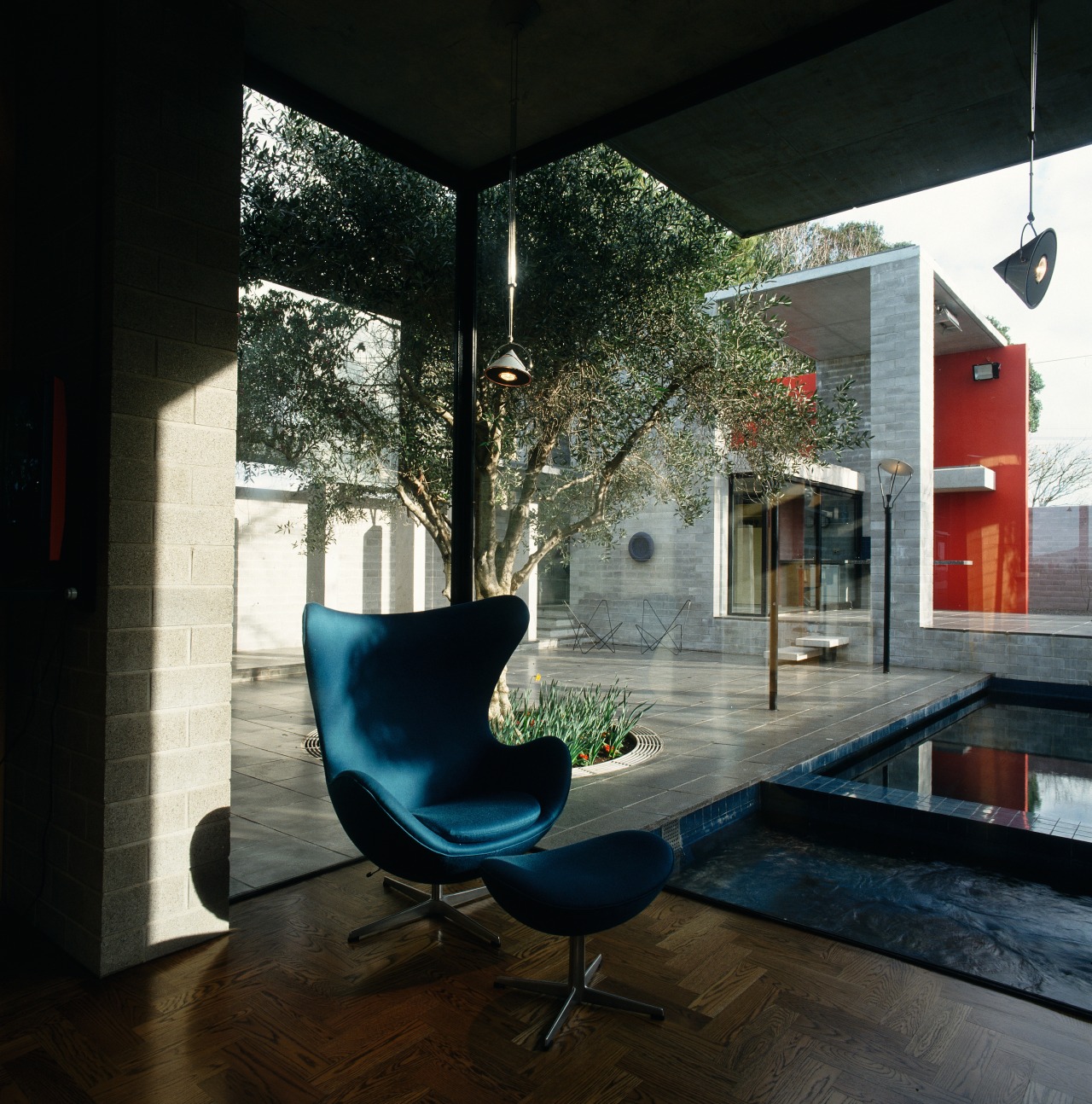
A passageway, which acts as a link between sky and sea, bisects the house. It extends beyond the house along a colonnade into the landscaped garden. To the north are the entry and a large study.
The rest of the ground floor living area is open plan.
"The treatment of the space creates a calm and composed effect. It allows you to be at peace," says the architect.
"I like the idea of rooms in which people can sit and be calmed, as a contrast to more dynamic spaces."
Story by: Trendsideas

Home kitchen bathroom commercial design
Salute to bold taste
Craftsmanship without clutter
Intimacy and connection